


What's Ahead
If you’ve recently replaced your water heater, you’re probably hoping it’s one household appliance you won’t have to think about for years. After all, it’s brand new, so why would it already need to be flushed?
It’s a question we hear from homeowners all the time. The answer is simple. Your new water heater isn’t being flushed because something is wrong with it. It’s being flushed to prevent issues from happening in the future.
At Eco Plumbers, Electricians, and HVAC Technicians, we’ve helped homeowners maintain their water heaters for years, and one of the most common mistakes we see is waiting until sediment has already caused a problem before scheduling the first flush. By then, mineral buildup may already be reducing the system’s efficiency and putting unnecessary strain on the unit.
By the end, you’ll understand why routine maintenance is one of the simplest ways to keep your new water heater operating efficiently and help maximize its lifespan.
Why Does a New Water Heater Need To Be Flushed?
Sediment can begin collecting inside your water heater as soon as the tank is filled.
Many homeowners assume sediment comes from the water heater itself, but it actually comes from the water that enters your home. Minerals like calcium, magnesium, silica, and other small particles naturally exist in the water entering your home.
Each time your water heater heats that water, some of those minerals settle at the bottom of the tank. At first, the buildup may be small and unnoticeable. Over time, however, sediment can harden, making it more difficult to remove and forcing your water heater to work harder than it should.
That is why flushing matters, even with a new unit. Think of it like changing the oil in a new vehicle. You do not wait for engine trouble before performing basic maintenance. You do it to help prevent problems from developing in the first place.
What Happens If You Don't Flush a New Water Heater?
Ignoring routine maintenance doesn’t usually lead to immediate problems. Instead, sediment builds up gradually, reducing your water heater’s performance over time.
As minerals collect at the bottom of the tank, they form a layer between the heat source and the water. That layer acts like insulation, forcing the burner or heating elements to work harder and longer to heat the same amount of water.
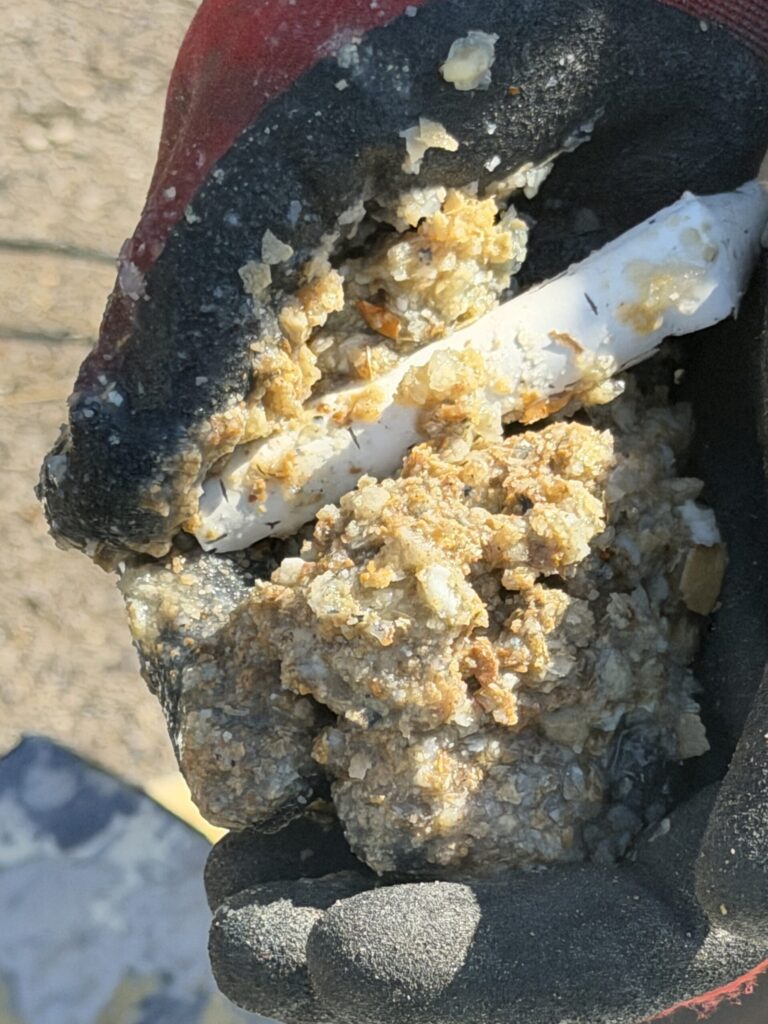
As sediment continues to accumulate, you may notice:
- Higher energy bills because the water heater has to work harder to heat the water.
- Longer recovery times, meaning it takes more time for the tank to reheat after you’ve used hot water.
- Less available hot water because sediment takes up space inside the tank.
- Rumbling or popping noises are trapped water bubbles through hardened mineral deposits.
- Increased wear on heating components can lead to more frequent repairs.
- A shorter lifespan for the water heater due to the added strain on the system.
The longer sediment remains in the tank, the harder it becomes to remove. Once mineral deposits harden, a simple flush may not be enough to remove them completely, making routine maintenance far more effective than waiting until problems develop.
How Often Should You Flush a New Water Heater?
There isn’t a one-size-fits-all schedule for flushing a water heater. How often your system should be flushed depends largely on the mineral content of your water.
Homes with hard water accumulate sediment more quickly because the water contains higher concentrations of minerals like calcium and magnesium. If you have soft water, sediment builds up more slowly, allowing you to go longer between flushes.
As a general guideline:
Water Quality | Recommended Flushing Schedule |
Soft water | Every 12 months |
Moderate mineral content | Every 6 to 12 months |
Hard water | Every 6 months |
Very hard water or well water | Every 3 to 6 months |
If you’re unsure about your home’s water quality, we can help determine the best maintenance schedule for your system through a free water test. Or you can see what’s in your water at EWG.org.
If your home has hard water, installing a water softener can also help reduce mineral buildup, improve your water heater’s efficiency, and extend its lifespan. Even with a water softener, however, periodic flushing is still recommended as part of routine maintenance.
Does a Tankless Water Heater Also Need Flushing?
Yes. Tankless water heaters also require regular maintenance, but the process is different.
Unlike traditional tank water heaters, tankless systems don’t store water. Instead, they heat water as it flows through the unit. However, minerals like calcium and magnesium can still accumulate inside the heat exchanger, especially in homes with hard water.
Rather than flushing a traditional tank, technicians descale the system by circulating a cleaning solution through the internal components of a tankless unit. This process dissolves mineral deposits and helps restore the unit’s efficiency.
Most manufacturers recommend descaling a tankless water heater:
- Once a year, under normal water conditions
- Every 6 to 12 months, if your home has hard water
Skipping this maintenance can reduce your water heater’s efficiency, restrict water flow, and, over time, damage the heat exchanger. Following the manufacturer’s recommended maintenance schedule can help your tankless water heater operate efficiently and extend its lifespan. Plus, most manufacturers will void the unit’s warranty if routine maintenance is not performed and/or is performed improperly.
These symptoms don’t necessarily mean your water heater is failing, but they are often signs that it’s time for maintenance. Scheduling a flush early can help restore efficiency and prevent sediment from causing more significant problems over time.
Can You Flush a Water Heater Yourself?
Many homeowners can flush a traditional tank water heater or a tankless water heater themselves if they’re comfortable working with basic plumbing and follow the manufacturer’s instructions.
In case of an emergency, it’s important to know where your main stuff is and to verify its operation before conducting any type of maintenance.
The process typically involves:
- Turning off the power or gas supply.
- Shutting off the cold water supply.
- Connecting a garden hose to the drain valve.
- Draining the tank.
- Flushing the tank with fresh water until the water runs clear.
- Refilling the tank before restoring power or gas.
While these steps are relatively straightforward, DIY maintenance isn’t the right choice for every homeowner.
If your water heater is older, hasn’t been flushed in several years, shows signs of corrosion or leaking, or you’re uncomfortable working with plumbing or gas appliances, it’s often safer to hire a professional. They can flush the system properly while inspecting it for signs of wear or potential problems that could require attention.
Whether you choose to do it yourself or hire a professional, the important thing is to make flushing part of your regular maintenance routine. Keeping up with this simple task can help your water heater operate more efficiently and extend its lifespan.
Is Flushing Covered Under Your Water Heater Warranty?
Many water heater manufacturers recommend routine maintenance as part of their warranty requirements. While missing a scheduled flush may not automatically void your warranty, damage caused by neglected maintenance may not be covered.
That’s why it’s important to review your owner’s manual and understand:
- Recommended maintenance intervals
- Documentation requirements
- Water quality recommendations
- Warranty exclusions
Keeping records of your maintenance can also make the warranty claims process much smoother if you ever need it.
If remembering annual maintenance isn’t something you want to keep track of, our EcoFi Advantage Membership can take that responsibility off your plate. One of our membership benefits is routine water heater maintenance, including flushing when recommended, along with other preventative services designed to help keep your home’s plumbing system running efficiently. Instead of wondering when your next flush is due, you can have the peace of mind knowing it’s already covered.
Protect Your Investment With Routine Maintenance
A new water heater is a significant investment in your home’s comfort, but protecting that investment does not have to be complicated. Regular flushing helps remove sediment before it hardens, improves efficiency, reduces unnecessary wear, and can help your system last longer.
If you recently installed a new water heater, you may have assumed maintenance could wait. Now you know why flushing should be part of your routine from the beginning, especially if your home has hard water or your manufacturer recommends regular maintenance.
At Eco Plumbers, Electricians, and HVAC Technicians, we help homeowners keep their plumbing systems running reliably through routine maintenance, repairs, and honest recommendations. Whether your water heater is brand new or starting to show signs of wear, our team can help you understand what it needs and when.
Your Next Step: If you’re still deciding which type of water heater is right for your home, read our Tankless vs. Traditional Water Heaters guide. It compares the pros, cons, costs, and maintenance requirements of each system, helping you choose the best option for your home’s needs.
FAQs
Does a new water heater really need to be flushed?
Yes. A new water heater should still be flushed because mineral sediment begins accumulating as soon as the tank is filled and heated. While the buildup may not cause immediate problems, routine flushing helps maintain efficiency, reduce wear on internal components, and extend the lifespan of the system.
How often should a new water heater be flushed?
Most homeowners should flush a tank water heater every 6 to 12 months, depending on their water quality. Homes with hard water or well water may benefit from flushing every 3 to 6 months because mineral deposits accumulate more quickly. Always follow the maintenance recommendations in your manufacturer's owner's manual.
Do water softeners eliminate the need to flush a water heater?
No. A water softener reduces the amount of calcium and magnesium entering your water heater, but it does not eliminate sediment or replace routine maintenance. Most manufacturers still recommend periodic flushing, even if your home has a water softener installed.
Do sediment guards and other forms of filtration eliminate the need to flush a water heater?
No. Sediment guards and other whole-home filtration systems can reduce the amount of sediment entering your water heater, but they do not eliminate the need to flush it.
Think of the filter like the air filter in your car. It keeps a lot of debris out, but it does not remove the need for maintenance. Your water heater can still develop mineral buildup and corrosion inside the tank, so occasional flushing is still one of the best ways to help maintain efficiency and extend its lifespan.