

What's Ahead
Have you noticed your water pressure isn’t what it used to be? Maybe your drains are slowing down, your water has a rusty tint, or you’ve dealt with a leak or two over the years.
These are common issues in older homes, and while they may seem minor at first, they can lead to costly repairs, water damage, and unexpected plumbing emergencies if they’re ignored. The reality is that aging pipes and fixtures don’t usually fail overnight. They often give warning signs long before a major problem occurs.
We’ve helped many homeowners assess aging plumbing systems and understand where they’re vulnerable. In this article, we’ll explain the best ways to protect an older home’s plumbing system, the warning signs to watch for, and the steps you can take to avoid expensive surprises down the road.
Why Older Homes Face More Plumbing Risks
Before looking at how to protect an older home’s plumbing system, it helps to understand why these systems are more prone to problems in the first place.
Like any part of a home, plumbing wears down over time. Pipe corrosion, mineral buildup, outdated materials, shifting foundations, tree root intrusion, and years of everyday use can all take a toll on your plumbing system. Changes in water pressure can also put additional stress on aging pipes and fixtures.
The older the plumbing system, the greater the chance that hidden issues have developed over the years. For example, homes built before the 1970s may still have galvanized steel pipes, which are known to corrode from the inside out. Older homes may also have cast-iron drain lines that can crack, rust, or deteriorate after decades of service.
Understanding these risks can help you stay ahead of potential problems and focus on preventative maintenance rather than costly emergency repairs.
What Plumbing Materials Are Common in Older Homes?
One of the best ways to understand the health of your plumbing system is to identify the types of pipes in your home. Different plumbing materials age differently, and knowing what you have can help you anticipate potential issues before they become major problems.
Galvanized Steel Pipes
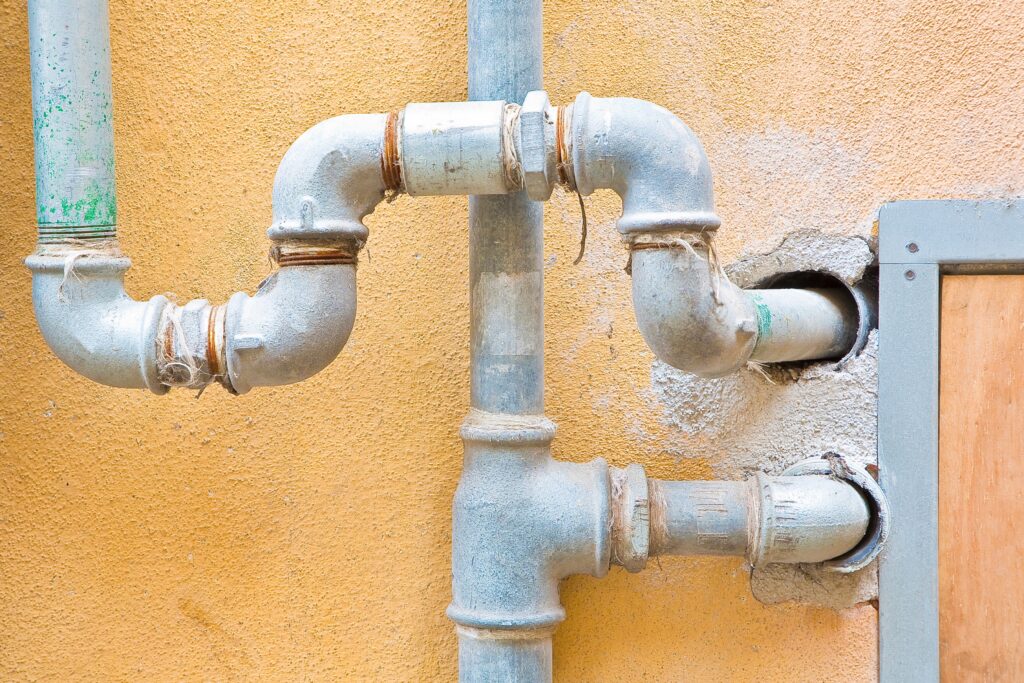
Galvanized steel pipes were commonly installed in homes from the early 1900s through the 1960s. While they were built to last, they tend to corrode internally over time.
Common signs of aging galvanized pipes include:
- Rust buildup inside the pipes
- Reduced water pressure
- Discolored or rusty water
- Leaks caused by corrosion
Because galvanized pipes deteriorate from the inside out, problems aren’t always visible until performance starts to suffer.
Cast Iron Drain Pipes
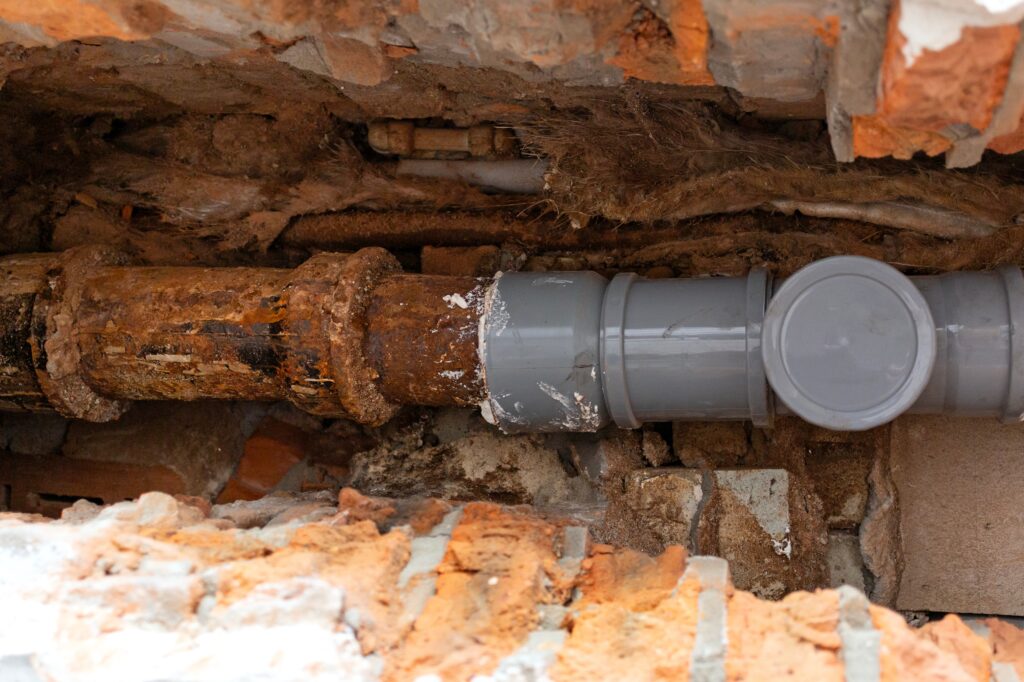
Cast iron drain lines are known for their durability and can often last for decades. However, even cast iron has a lifespan.
As these pipes age, homeowners may experience:
- Cracks or structural deterioration
- Internal corrosion
- Tree root intrusion
- Drainage issues or sewer backups
If your home still has its original cast iron sewer line, regular inspections can help identify issues before they lead to costly repairs.
Copper Pipes
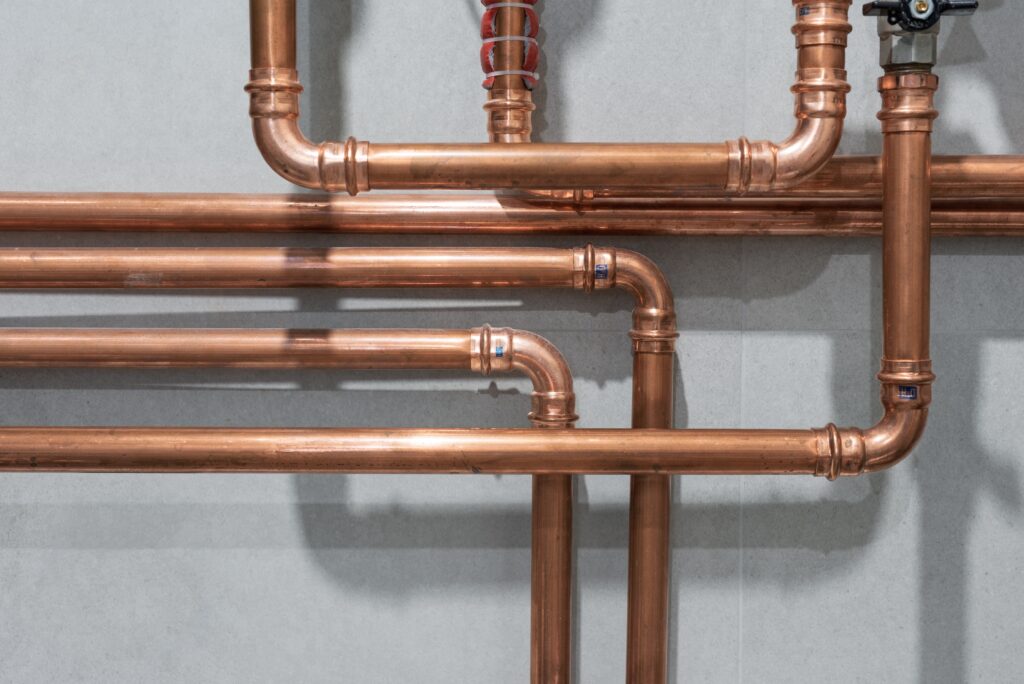
Copper has long been considered one of the most reliable plumbing materials and is still used in many homes today.
That said, older copper systems aren’t immune to wear and tear. Common concerns include:
- Pinhole leaks
- Failing joints or connections
- Corrosion caused by certain water conditions
When properly maintained, copper plumbing can provide decades of dependable service.
Polybutylene Pipes
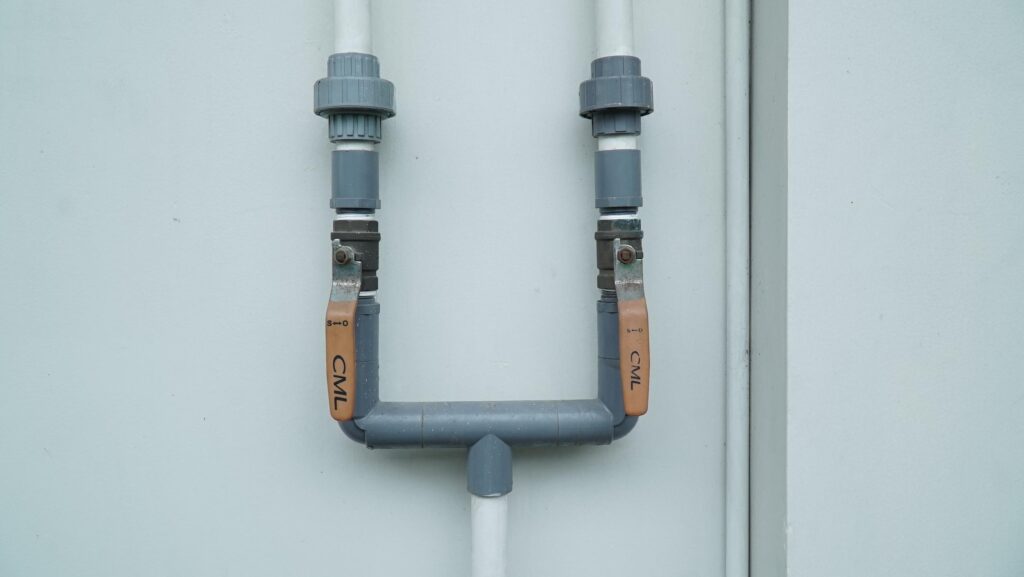
Polybutylene pipes were widely used between the late 1970s and mid-1990s as a lower-cost alternative to copper. Over time, however, they developed a reputation for unexpected failures and leaks.
As a result, many homeowners choose to replace polybutylene piping proactively rather than risk a major plumbing issue down the road.
Knowing what type of plumbing materials are in your home can help you make smarter maintenance decisions and plan for future repairs or upgrades before problems arise.
How Often Should an Older Home's Plumbing Be Inspected?
Regular plumbing inspections are one of the best ways to catch small problems before they turn into expensive repairs. For most older homes, it’s a good idea to have the plumbing system professionally inspected at least once a year.
During an inspection, a plumber may assess:
- Water pressure throughout the home
- The condition of visible pipes
- Water heater performance
- Shutoff valves and supply lines
- Faucets and plumbing fixtures
- Drainage systems
- Signs of hidden leaks or water damage
A minor issue caught during an inspection is often far less expensive to fix than a burst pipe, sewer backup, or major water leak.
Signs It's Time to Schedule a Plumbing Inspection
Even if you’ve recently had your plumbing checked, certain warning signs shouldn’t be ignored.
Consider scheduling an inspection if you notice:
- Rust-colored or discolored water
- Frequent drain clogs
- Water stains on walls, ceilings, or floors
- Low or inconsistent water pressure
- Unexplained increases in your water bill
- Musty odors around sinks, walls, or crawl spaces
These issues often point to hidden plumbing problems that can worsen over time. The sooner they’re identified, the more options you’ll typically have for addressing them before significant damage occurs.
Why Water Pressure Matters More Than Most Homeowners Realize
Many homeowners associate strong water pressure with better plumbing performance, but too much pressure can actually do more harm than good.
Excessive water pressure puts constant strain on your entire plumbing system, including pipes, fittings, fixtures, appliances, and your water heater. Over time, that added stress can increase the risk of leaks, worn-out components, and premature plumbing failures.
For most homes, water pressure between 40 and 60 PSI is considered ideal. If your home’s pressure is consistently above that range or 80 PSI, a pressure-reducing valve (PRV) can help regulate the flow and protect your plumbing system from unnecessary wear.
While it’s a relatively simple upgrade, a PRV can help extend the lifespan of your plumbing system and reduce the likelihood of costly leaks and repairs down the road.
Can Water Quality Damage Older Plumbing Systems?
Yes, and it’s something many homeowners overlook.
The quality of the water flowing through your home can have a direct impact on the condition of your pipes, fixtures, and plumbing appliances. Over time, hard water, sediment, and other water quality issues can accelerate wear and reduce the lifespan of your plumbing system.
Hard water, which contains high levels of minerals like calcium and magnesium, is one of the most common culprits. As these minerals move through your plumbing system, they can leave behind scale buildup inside pipes, faucets, showerheads, and water heaters.
This buildup can lead to:
- Restricted water flow
- Increased strain on plumbing fixtures and appliances
- Lower water heater efficiency
- Premature wear on plumbing components
Consider Having Your Water Tested
If you’re unsure about the quality of your home’s water, a professional water test can help identify issues that may be affecting your plumbing system, such as hard water, sediment, pH imbalances, or other contaminants.
Based on the results, your plumber may recommend solutions like a water softener, water conditioning, or another type of water filtration system.
Improving water quality can reduce wear on your pipes and fixtures, improve efficiency, and help extend the life of your plumbing system.
How Can Homeowners Prevent Plumbing Leaks?
Leaks are among the most costly plumbing problems because they often go undetected until they’ve caused significant damage. Fortunately, there are several simple ways to reduce your risk.
Start by keeping an eye on your water bill. An unexpected increase in water usage can be an early sign of a hidden leak. It’s also a good idea to periodically inspect visible plumbing around appliances, hose bibs, outdoor spigots, sinks, toilets, water heaters, and other accessible areas for signs of moisture or corrosion.
If your home has older supply lines connected to sinks, toilets, or appliances, consider having a professional inspect the functionality of the emergency shut-offs connected to the supply lines or replace them before they fail. These components are common leak points and are relatively inexpensive to upgrade.
For added protection, many homeowners are also investing in smart leak detection systems. These devices can monitor water usage, detect unusual activity, send alerts to your phone, and, in some cases, automatically shut off the water supply when a leak is detected.
The earlier a leak is identified, the easier and less expensive it typically is to fix.
Should You Replace Aging Pipes Before They Fail?
This is one of the most common questions homeowners with older plumbing systems ask, and the answer depends on several factors, including:
- The type of pipe material
- The age of the plumbing system
- Its overall condition
- Your history of repairs and leaks
- Any planned home renovations
If you’ve experienced multiple leaks in a short period of time, replacing aging pipes may be more cost-effective than continuing to pay for repairs.
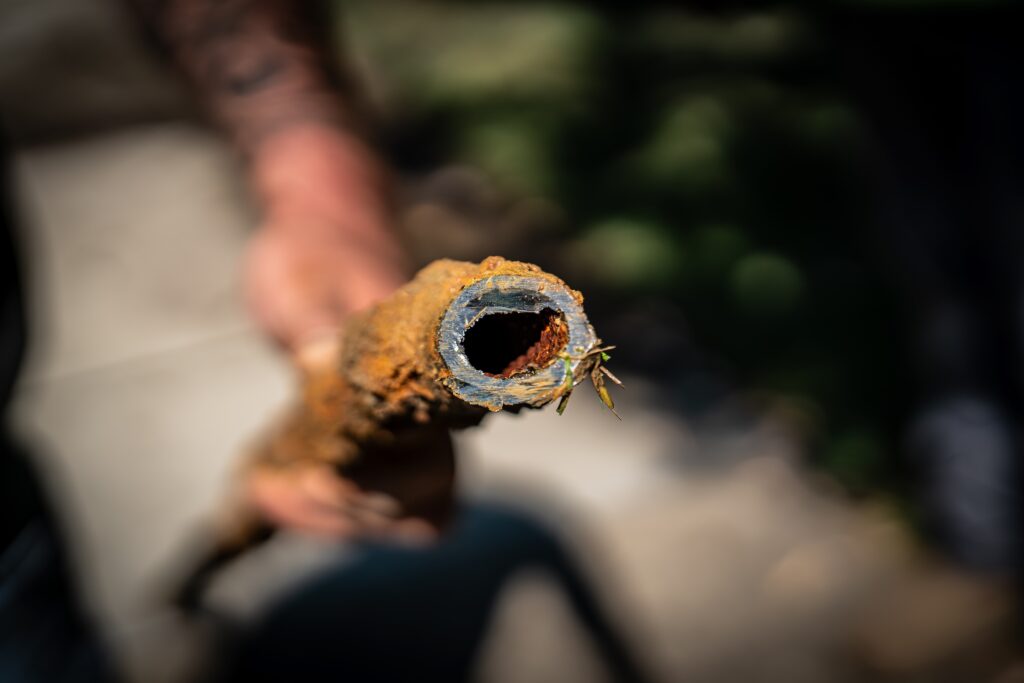
For example, galvanized steel pipes often become candidates for replacement after decades of use due to internal corrosion, while severely deteriorated cast iron sewer lines may require replacement or trenchless rehabilitation.
In many cases, replacing failing plumbing before a major breakdown occurs can save you from the far greater cost of water damage, emergency repairs, and restoration work.
A professional plumbing inspection can help determine whether repair, rehabilitation, or full replacement is the best long-term investment for your home.
What Maintenance Tasks Should Homeowners Perform Regularly?
Protecting an older plumbing system doesn’t always require major repairs or expensive upgrades. In many cases, consistent maintenance can help identify small issues before they become costly problems.
Frequency | Recommended Tasks | Why It Matters |
Monthly | Check for visible leaks, inspect faucets and fixtures, and monitor changes in water pressure | Helps catch early warning signs of plumbing issues before they worsen |
Quarterly | Clean drains preventatively, test shutoff valves, and inspect exposed pipes | Keeps plumbing components functioning properly and helps prevent unexpected failures |
Annually | Schedule a professional plumbing inspection, flush the water heater, test water quality, and review overall plumbing performance | Identifies hidden issues, improves system efficiency, and helps extend the lifespan of your plumbing system |
A simple maintenance routine can go a long way toward preventing plumbing emergencies and protecting your home’s aging pipes and fixtures.
What Plumbing Upgrades Deliver the Biggest Long-Term Value?
While regular maintenance is important, certain upgrades can provide an extra layer of protection and help extend the life of an older plumbing system.
Smart Leak Detection Systems
Smart leak detection devices can monitor water usage throughout your home and alert you when unusual activity is detected. Some systems can even automatically shut off the water supply if a leak is found, helping prevent extensive water damage.
Pressure-Reducing Valves
If your home’s water pressure is consistently too high, a pressure-reducing valve (PRV) can help protect your plumbing system. By maintaining safe pressure levels, these devices reduce stress on pipes, fixtures, appliances, and water heaters.
Water Softeners and Filtration Systems
Poor water quality can accelerate wear on plumbing components. Installing a water softener or water filtration system can help reduce mineral buildup, improve efficiency, and protect aging pipes and fixtures from unnecessary strain.
Updated Shutoff Valves
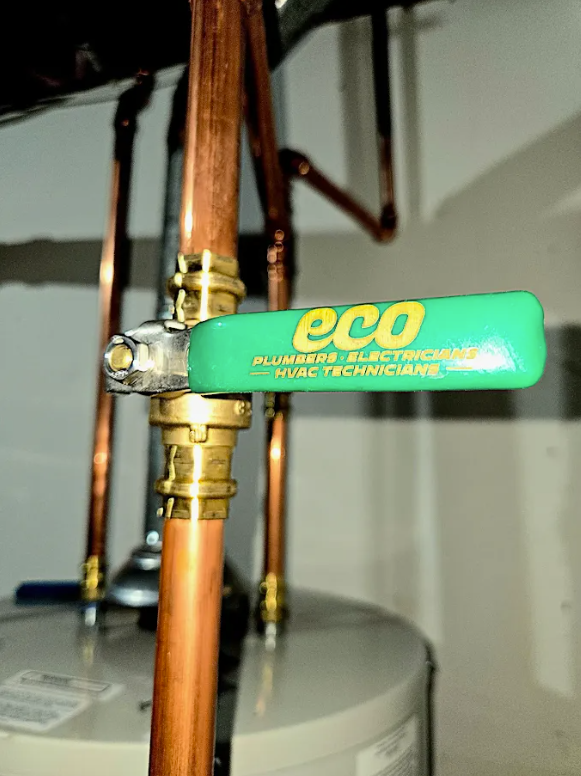
In a plumbing emergency, every second counts. Replacing old or difficult-to-operate shutoff valves can make it easier to quickly stop the flow of water and limit potential damage.
Targeted Pipe Replacement
If inspections reveal sections of pipe that are deteriorating or nearing the end of their lifespan, replacing those areas proactively can help prevent leaks and costly repairs. This is especially true for older galvanized steel pipes or damaged cast iron sewer lines.
The right upgrades can improve the reliability of your plumbing system, reduce the risk of unexpected failures, and help you avoid costly repairs in the future.
Protecting Your Plumbing Before Problems Start
By now, you know that protecting an older home’s plumbing system isn’t about waiting for something to break. Regular inspections, proactive maintenance, water quality management, and strategic upgrades can help you extend the life of your plumbing system and avoid many common problems before they start.
If you’ve noticed low water pressure, recurring leaks, discolored water, or other warning signs, you’re not alone. These issues are common in older homes and, if left unchecked, can lead to costly repairs, water damage, and unexpected plumbing emergencies.
That’s why your next step should be scheduling a whole-home plumbing evaluation. A comprehensive assessment can help identify hidden issues, pinpoint aging components, and give you a clear plan for protecting your plumbing system moving forward.
At Eco Plumbers, Electricians, and HVAC Technicians, we specialize in helping homeowners understand the condition of their plumbing systems and make informed decisions about maintenance, repairs, and replacements. If you’re ready to gain peace of mind and avoid costly surprises, schedule your whole-home plumbing evaluation today.
FAQs
How long does plumbing typically last in an older home?
The lifespan of a plumbing system depends on the materials used and how well it has been maintained. Copper pipes can often last 50 years or more, while galvanized steel pipes may begin experiencing significant corrosion after several decades. Because every home is different, a professional plumbing evaluation is the best way to determine the condition of your system.
Does homeowners' insurance cover plumbing problems in older homes?
In many cases, homeowners' insurance may cover sudden and accidental water damage caused by a plumbing failure. However, damage resulting from normal wear and tear, lack of maintenance, or aging pipes is often excluded. Reviewing your policy and understanding its limitations can help you avoid unexpected expenses.
Should I have my sewer line inspected if I own an older home?
A sewer line inspection can be a worthwhile investment, especially if your home is several decades old or has mature trees on the property. A camera inspection can identify issues such as root intrusion, cracks, blockages, or deterioration before they lead to backups or costly repairs.